Understanding Island Light Fixture Designs
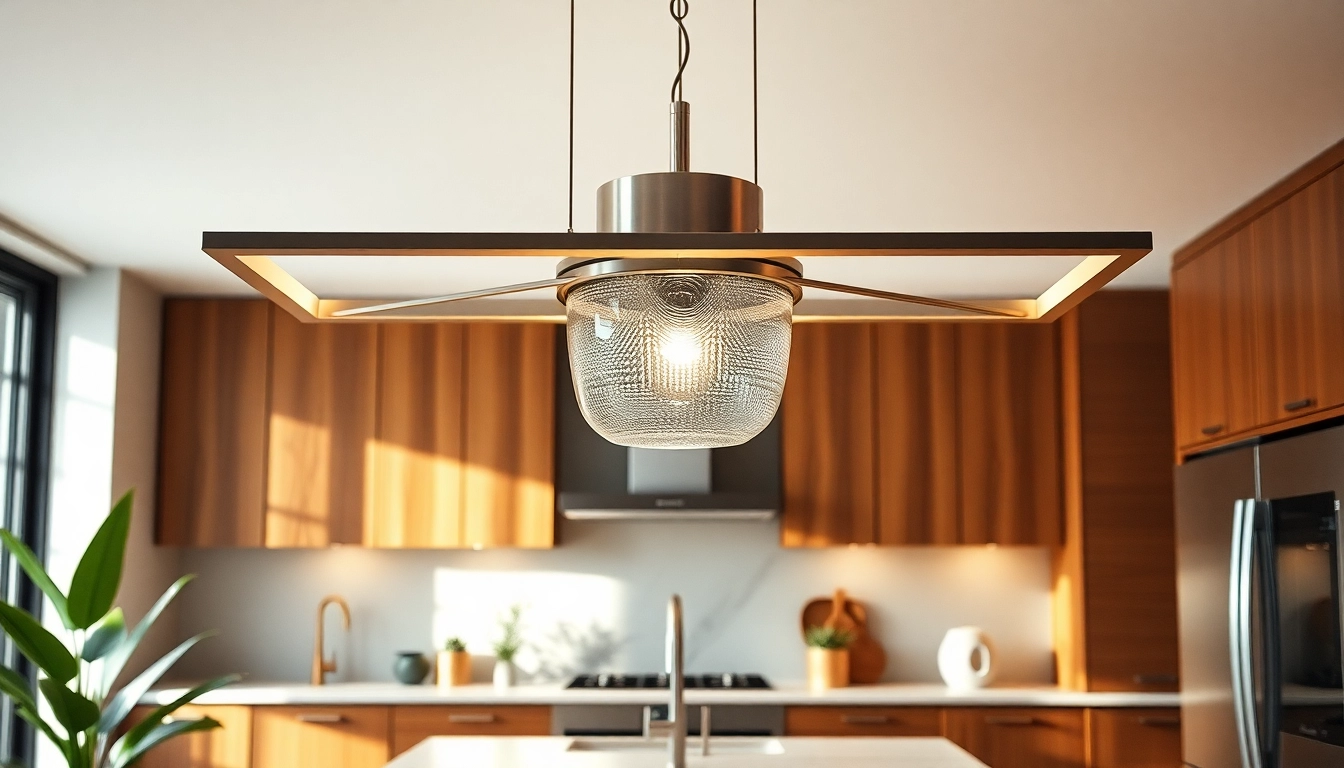
The choice of an island light fixture can transform the ambiance and functionality of your kitchen or dining area. The right fixture not only provides essential illumination but also complements the overall design of your space. From modern aesthetics to classic designs, understanding the nuances of island light fixtures can help you make an informed choice. In this guide, we will explore different styles, materials, and benefits of island light fixtures, aiming to equip you with the knowledge needed to select the perfect fixture for your needs. You may explore various styles of island light fixture across different platforms to get inspired.
Common Styles of Island Light Fixtures
Island light fixtures come in numerous styles that cater to various tastes and design requirements. Here’s a closer look at some of the most popular options:
- Pendant Lights: These fixtures hang from the ceiling and come in various shapes, sizes, and styles, ranging from contemporary glass designs to rustic metal options.
- Chandeliers: For those who desire a touch of elegance, chandeliers provide stunning visual appeal. They can create a focal point above an island or dining table, often with multiple bulbs to deliver ample light.
- Linear Fixtures: Perfect for long kitchen islands, linear fixtures allow for a streamlined look while providing even lighting across the countertop. They are often available in minimalist designs.
- Track Lighting: This versatile option allows you to direct light wherever needed. It’s great for flexible lighting solutions in kitchens with multiple work zones.
- Flush Mounts: If you prefer a more compact and unobtrusive option, flush mount fixtures sit close to the ceiling. They offer a modern edge to your décor.
Materials and Finishes
The materials and finishes of an island light fixture have a significant influence on its durability and style. Consider the following materials:
- Glass: Commonly used for shades and pendant designs, glass can provide a modern and sleek look that allows light to disperse beautifully.
- Metal: Fixtures crafted from metals like brass, chrome, or iron can offer a vintage or industrial finish, adding character and charm.
- Wood: For a rustic or farmhouse style, wooden fixtures can bring warmth and texture to your kitchen space.
- Fabric: Some island fixtures utilize fabric shades, beneficial for diffusing light softly throughout the room.
Benefits of Various Designs
The design of an island light fixture significantly affects both functionality and aesthetics. Here are several benefits of choosing various designs:
- Illumination: Well-designed fixtures provide adequate lighting for tasks such as cooking and reading recipes, ensuring safety and efficiency in your kitchen.
- Style Reinforcement: The right fixture transforms the overall style, reinforcing modern, traditional, or eclectic themes in your kitchen.
- Enhanced Atmosphere: Island fixtures can help establish the mood—whether you want bright light for cooking or soft illumination for dining.
- Increased Property Value: A stylish light fixture can enhance the visual appeal of your home, potentially increasing market value.
Choosing the Right Island Light Fixture
Selecting the right island light fixture involves careful consideration of various factors, ensuring that your choice aligns with your personal style and functional needs. Here’s how to navigate the selection process:
Size Considerations
The size of your island light fixture is crucial for achieving balance within your space. A fixture that is too small may not provide adequate lighting, while one that is too large can overwhelm the area. Here are key points to determine the right size:
- Measure your island: A common rule of thumb is to allow 30 to 36 inches of clearance above the island. The length of the fixture should be approximately one-third to half the length of the island.
- Consider the height of the ceilings: Taller ceilings may require larger or multiple fixtures to create proportionate illumination.
Defining Your Aesthetic
Establishing your desired aesthetic is critical in guiding your choice of an island light fixture. Your design style can range from minimalist and contemporary to vintage and ornate. Here are a few tips:
- Identify your existing colors and materials: Select fixtures that harmonize with your kitchen cabinetry, countertops, and flooring.
- Consider the shape: Choose fixtures that mirror the lines and shapes in your kitchen design. For example, if you have a lot of soft curves, opt for rounded fixtures.
Lighting Brightness Requirements
Determining the appropriate level of brightness is essential for functionality. Aim for a balance that combines task lighting and ambient light.
- Understand lumens: Higher lumens equate to brighter light. Typically, you'll want around 200-300 lumens per square foot for kitchen spaces.
- Utilize dimmer switches: Consider fixtures that offer dimmable capabilities for versatility in brightness levels during different times of day.
Installation Tips for Island Light Fixtures
Necessary Tools and Materials
Before beginning your installation, ensure you have the following tools and materials:
- Screwdriver
- Wire cutters/strippers
- Pliers
- Safety goggles
- Ladder (if needed)
- Electrical tape and wire connectors
Common Installation Mistakes
To avoid pitfalls, be aware of these common installation mistakes:
- Not turning off the power: Always turn off the circuit breaker before working with electrical fixtures.
- Neglecting to secure wiring properly: Ensure that all wire connections are tight and secure to prevent electrical issues.
- Improper height installation: Follow the recommended clearance heights to ensure proper functionality and aesthetics.
Safety Precautions
Safety is paramount when installing any electrical fixture. Here are some crucial precautions:
- Always double-check that the power is off before starting work.
- Use insulated tools to minimize risks of electric shock.
- If unsure, consult a professional electrician for assistance.
Maintaining Your Island Light Fixture
Cleaning and Care Guidelines
To maintain the appearance and functionality of your fixture, adopt these cleaning practices:
- Dust regularly to prevent dirt buildup—use a soft, dry microfiber cloth.
- For glass components, use a glass cleaner and a soft cloth to achieve a streak-free shine.
- Avoid using abrasive materials that can scratch the surface of your fixtures.
Long-Term Maintenance Strategies
Beyond regular cleaning, consider these long-term strategies to keep your fixture in top shape:
- Check the bulbs regularly for replacement and opt for energy-efficient LEDs for longevity.
- Inspect the wiring and connections periodically for signs of wear or damage.
- Keep an eye on fixture stability and ensure it remains securely attached to the ceiling.
When to Replace Your Fixture
Knowing when to replace your island light fixture can save you from more significant issues. Look for the following signs:
- Flickering lights could indicate wiring issues or bulb problems.
- Visible wear, rust, or components that are no longer functioning can warrant replacing.
- Outdated styles that do not align with your current aesthetic could benefit from an upgrade.
FAQs about Island Light Fixtures
What is an island light fixture?
An island light fixture is a type of lighting designed specifically to illuminate kitchen islands, providing both functional and decorative lighting to the area.
How do I choose the right size for my kitchen?
Measure your kitchen island's length, then choose a fixture that is one-third to half that length. Ensure there’s ample clearance above the island.
Can an island light fixture be dimmable?
Yes, many island light fixtures are available with dimming options, allowing you to adjust brightness based on your needs and mood.
What styles are trending in island light fixtures?
Trending styles include industrial metals, minimalist designs, and elegant chandeliers, often mixing materials for unique combinations.
How do I properly clean my light fixture?
Dust regularly with a microfiber cloth and use glass cleaner for glass components to prevent streaks. Avoid abrasive materials to protect finishes.