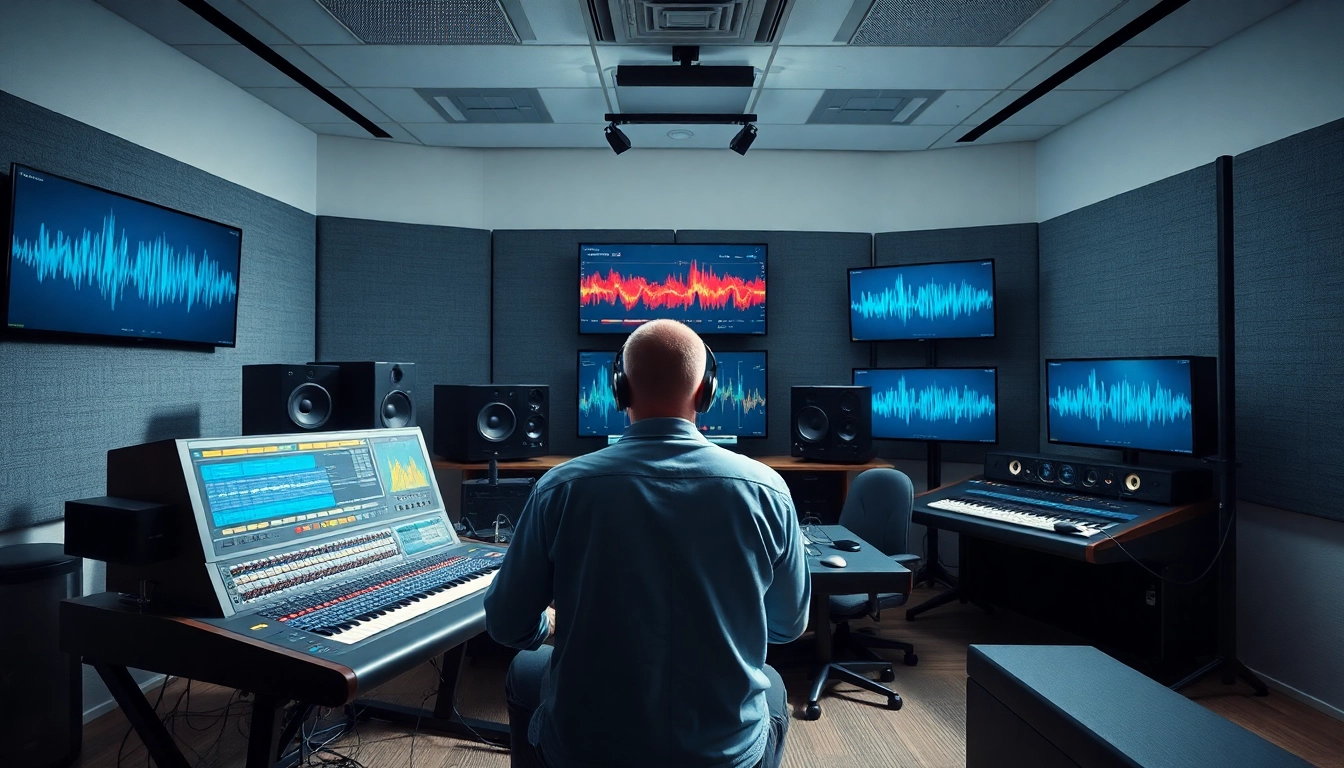
The Basics of Online Audio Mastering
What is Online Audio Mastering?
Online audio mastering is the final step in the music production process and involves preparing and transferring recorded audio from a source to a data storage device. It ensures that the track sounds polished and professional across all playback systems. Different professionals and services utilize a myriad of techniques and tools that refine a track's sonic characteristics—balancing dynamics, equalization, and compression to create a cohesive and polished sound. In the realm of modern technology, online audio mastering services leverage cloud technology to allow artists to send their tracks remotely, making the process more accessible than ever.
Why Choose Online Audio Mastering Services?
Choosing online audio mastering services comes with numerous advantages. First, cost-effectiveness is paramount—many services provide high-quality mastering at a fraction of the cost of traditional studios. Furthermore, online mastering allows greater flexibility. Artists can upload their tracks at any time and receive feedback or edits promptly. Many platforms also offer instant previews, so users can make informed decisions before finalizing their tracks. Additionally, online services frequently employ seasoned mastering engineers who specialize in various genres, ensuring that your music is crafted with an expert touch.
Common Myths Surrounding Audio Mastering
There are several misconceptions within the realm of audio mastering. A prevalent myth is that mastering can fix poorly mixed tracks. In reality, mastering cannot substitute for a well-executed mix, but rather enhances and refines what already exists. Another common myth is that audio mastering should only be performed by well-known professionals. While experience is valuable, many emerging engineers use modern tools and techniques to achieve professional results. Finally, many believe that mastering is a one-size-fits-all process. In fact, mastering is highly contextual; the best practices often vary significantly based on the genre, style, and intended listening environment of the final product.
The Online Audio Mastering Process
Preparing Your Tracks for Mastering
Proper preparation of your tracks is essential for effective online audio mastering. Start by ensuring you have the best possible mix. This means checking levels, ensuring the overall dynamics are balanced, and making sure there are no unnecessary peaks or troughs in the audio signal. Additionally, export your tracks in high-resolution formats, ideally 24-bit WAV or AIFF files, to maintain audio quality. Be sure to leave adequate headroom, typically between -6 dB and -3 dB, to prevent clipping during the mastering process. Lastly, when exporting, avoid any form of limiting or compression that may affect the mastering engineer's ability to work with the dynamics you’ve created.
The Step-by-Step Mastering Procedure
The mastering procedure typically follows a series of well-defined steps. First, the engineer listens through the track to understand its strengths and weaknesses. Next, they will start with equalization to balance frequencies, making sure no particular range overpowers others. Afterward, compression is applied to ensure dynamic control, helping to maintain the track's energy and punch. The engineer may then add stereo widening for spatial enhancements and final limiting to achieve a competitive loudness without sacrificing quality. Finally, a thorough listen is performed to ensure the track meets industry standards before rendering the final master.
Tools and Software for Effective Mastering
Online audio mastering employs various specialized tools and software to achieve stellar results. Popular digital audio workstations (DAWs) such as Pro Tools, Ableton Live, and Logic Pro feature built-in mastering plugins. Beyond these, standalone mastering applications like iZotope Ozone and Waves plugins are widely used for their advanced features in EQ, compression, and limiting. Many engineers also turn to quality monitoring equipment and high-end consumer earbuds or studio monitors to ensure their final product translates across different listening environments.
Best Practices for Online Audio Mastering
How to Select the Right Mastering Engineer
Selecting the right mastering engineer is crucial for achieving your desired sound. Look for engineers who specialize in your music genre and have a portfolio showcasing similar tracks. Request samples of their work and pay attention to how they handle dynamics, tonal balance, and frequency response. Additionally, consider their communication style; an engineer willing to discuss your vision and provide feedback can make a significant difference. Ultimately, choosing someone whose work resonates with you is key to producing the best possible outcome.
Tips for Communicating Your Sound Preferences
Effective communication with your mastering engineer can lead to a much smoother process. Prepare specific references: links to tracks that inspire you or embody the sound you’re aiming for can provide valuable context. Be clear about your goals; whether you want your track to sound warmer, punchier, or more expansive, articulating these preferences will help the engineer understand your artistic vision. Lastly, remain open to suggestions; mastering involves a professional’s touch, and sometimes their expertise may steer you towards a better outcome than you initially envisioned.
Understanding Audio Formats and Deliverables
Before sending your files for online audio mastering, familiarize yourself with audio formats and deliverables. The most common file formats include WAV, AIFF, and occasionally FLAC. Ensure that the sampling rate and bit depth match the project's needs—typically, 24-bit/44.1 kHz is the industry standard for music mastering. Some services may provide specific requirements, including additional metadata or specific file naming conventions, so always check their guidelines for submission. Finally, discuss the deliverables you will receive; these may vary from high-resolution master files to different file formats tailored for streaming and distribution.
Evaluating Online Audio Mastering Services
Key Features to Look For
When evaluating online audio mastering services, consider the features they offer. Look for services that provide detailed descriptions of their mastering process, showcasing the tools and techniques employed. Quality assurance policies, such as free revisions or satisfaction guarantees, are indications of confidence in their work. Additionally, consider the speed of service; while quick turnarounds are appealing, ensure that the quality is not compromised. Lastly, look for additional services, like consultations or personalized feedback, that can add value to your mastering experience.
Comparing Pricing Models
Pricing for online audio mastering services can vary widely, often based on the experience of the engineer, the services offered, and the genre of music. Some services charge by the track or by the minute, while others may offer subscription services with package deals that cover multiple tracks over time. To determine the best value, compare service offerings; do not solely focus on the price point—evaluate what is included, such as additional revisions, feedback sessions, or mastering for different platforms. Always ensure you understand exactly what services you are paying for before making a decision.
Reading Reviews and Case Studies
Reviews and case studies provide insight into the effectiveness of online audio mastering services. Seek out testimonials from artists in similar genres to gauge the service’s reliability and quality. Additionally, consider reviewing detailed case studies that illustrate the engineer’s process and outcomes. A service that can showcase improvements made through mastering exemplifies its expertise and validity. By assessing past work, including before-and-after comparisons, you can make a more informed choice based on real results and client satisfaction.
FAQs about Online Audio Mastering
What Does Online Audio Mastering Include?
Online audio mastering typically includes equalization, compression, stereo enhancement, and final limiting. Engineers refine the track to ensure clarity and balance for various playback systems.
How Long Does the Online Mastering Process Take?
The mastering process duration varies; however, many online services offer quick turnarounds, often completing projects within a few days. Communication regarding time frames is recommended.
Can I Master My Own Tracks Online?
Yes, several online platforms provide tools for self-mastering, allowing you to apply techniques and presets. However, professional mastering often yields superior results due to expertise and tools.
What Formats Should I Send for Mastering?
Send your tracks in high-quality formats such as 24-bit WAV or AIFF files. Avoid using lossy formats like MP3 to ensure the highest audio quality for mastering.
How Do I Know If My Track is Ready for Mastering?
Your track is ready for mastering when it has a solid mix, with balanced levels and no excessive peaks. Ensure the track has enough headroom and is critically listened to before submission.