
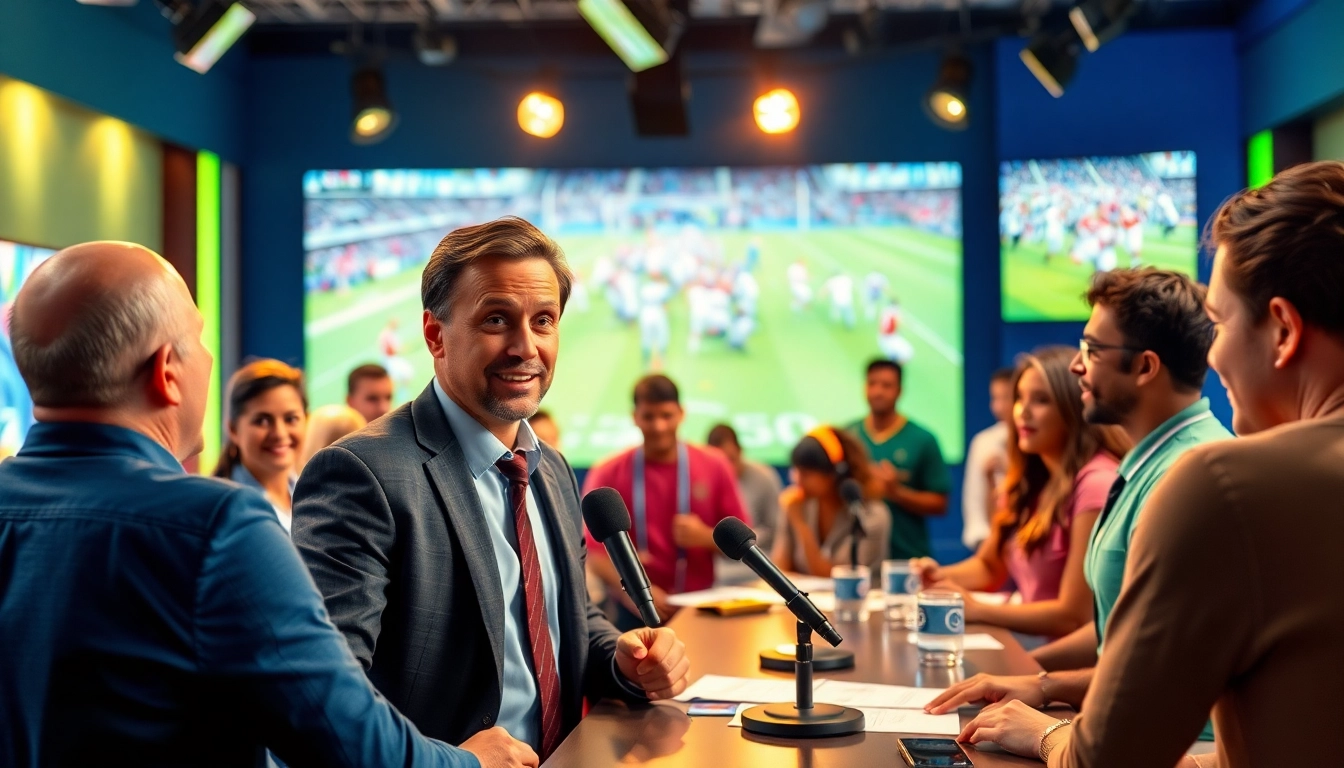
Introduction to Sports Broadcasting
Sports broadcasting plays a crucial role in how fans engage with their favorite sports. It has evolved into a multifaceted industry where storytelling, technology, and audience interaction converge. As viewing habits shift and new technologies emerge, understanding the intricacies of Sports Broadcasting is essential for those looking to make a mark in this dynamic field.
The Evolution of Sports Broadcasting
The journey of sports broadcasting began with radio broadcasts in the early 20th century, moving to television in the 1950s, and now venturing into the realm of digital streaming. In its inception, sports broadcast was primarily a one-way communication channel, but advancements in technology have since allowed for two-way interaction, enhancing the viewing experience tremendously. Today, fans are not just passive recipients of information; they actively participate through social media, live chats, and other platforms.
Understanding Key Roles in Sports Broadcasting
Sports broadcasting consists of various roles, each contributing to the overall production. Key roles include:
- Sports Commentators: The voice of the game, providing minute-by-minute coverage.
- Producers: They oversee the broadcast, ensuring that all components come together seamlessly.
- Cameramen: Responsible for capturing the action on-screen, requiring a keen eye for detail.
- Analysts: Offer insights and expert commentary, adding depth to the viewer’s understanding.
- Social Media Managers: Engage with fans and promote the broadcast across platforms.
The Impact of Technology on Sports Broadcasting
Technology has revolutionized sports broadcasting, enhancing production quality and accessibility. High-definition cameras, drones, and augmented reality are just a few instruments that bring innovative storytelling methods to life. Additionally, artificial intelligence is being utilized to analyze game statistics in real time, allowing for deeper insights and more informed commentary.
Essential Skills for Sports Broadcasters
Communication Skills for Effective Delivery
Communication is the cornerstone of sports broadcasting. A successful broadcaster must articulate information clearly and engagingly. This includes not only verbal skills but also body language and facial expressions, which convey enthusiasm and emotion, drawing viewers into the experience.
Research Techniques for Sports Stories
Thorough research underpins credible sports journalism. Broadcasters need to gather statistics, historical data, and insights about teams and players. Utilizing databases, engaging with experts, and paying attention to social media trends are effective strategies for stay up to date with current events.
Engaging Audience through Personal Connection
Creating a personal connection with the audience is essential in sports broadcasting. Broadcasters can share anecdotes, connect with viewers through relatable stories, and engage in discussions to humanize their presence. This connection builds trust and loyalty among viewers, making broadcasts more enjoyable.
Strategic Approaches in Sports Broadcasting
Creating Compelling Broadcast Content
Compelling content is about combining entertainment with information. Crafting story arcs, employing humor, and incorporating emotional narratives can significantly enhance audience engagement. It’s essential to balance statistics with exciting storytelling techniques.
Utilizing Social Media for Audience Engagement
Social media platforms act as vital tools in reaching wider audiences. Broadcasters can share highlights, interact with fans in real-time, and create polls or discussions to improve viewer investment in the sports broadcast. Using hashtags judiciously can amplify this reach during live events.
Developing Your Unique Broadcasting Style
Each broadcaster should strive to develop a unique style that resonates with their audience. Experimenting with different formats, tones, and engagement strategies can help identify what works best. Authenticity is key; a genuine personality fosters trust with viewers.
Challenges in Sports Broadcasting
Managing Live Broadcast Pressures
Live broadcasts can be exhilarating yet stressful. The unpredictability of sports means that broadcasters must think on their feet and maintain composure. Preparation is vital; familiarizing oneself with key narratives and contingencies can help manage unexpected situations effectively.
Navigating Controversial Topics in Sports
Controversies, whether they involve player behavior or game officiating, can arise during broadcasts. Broadcasters must tread carefully, balancing honest reporting with sensitivity. Understanding audience sentiment and being prepared to address or defuse tension is crucial in such situations.
Overcoming Audience Expectations
Audiences come to broadcasts with preconceived notions and expectations. Meeting these can be challenging, especially as preferences evolve. Engaging with the audience through feedback channels can provide insights to help tailor content that exceeds their expectations.
Future Trends in Sports Broadcasting
Innovations Shaping Sports Broadcasting
Emerging technologies are consistently reshaping sports broadcasting. Virtual reality and 360-degree video are beginning to offer immersive viewing experiences, allowing fans to feel part of the action. Additionally, predictive analytics is paving the way for enhanced game insights.
The Rise of Streaming Services
As traditional cable subscriptions decline, streaming services have surged in popularity, offering viewers flexibility in how and when they consume sports content. Recognizing the importance of this trend, traditional networks are developing their own streaming platforms to reach digitally savvy audiences.
Adapting to Changing Audience Behaviors
Understanding shifts in audience behavior is critical for broadcasters. This includes recognizing the rising popularity of mobile consumption and shorter event formats. Broadcasters must adapt quickly, reallocating resources to meet evolving fan preferences and ensuring content remains accessible.
FAQs About Sports Broadcasting
What qualifications are necessary for a career in sports broadcasting?
Qualifications may include a degree in communications or journalism, experience in media, and a passion for sports. Strong communication skills are essential.
How can I improve my broadcasting skills?
Improving broadcasting skills involves continuous practice, seeking constructive feedback, and studying successful broadcasters to learn different techniques and styles.
What are the most common challenges faced in sports broadcasting?
Common challenges include managing live broadcast pressures, addressing controversial topics sensitively, and meeting diverse audience expectations effectively.
How is technology influencing sports broadcasting today?
Technology influences sports broadcasting through innovations like augmented reality, live-streaming capabilities, and advanced data analytics, enhancing viewer engagement and content quality.
What future trends should broadcasters watch for?
Future trends include the rise of streaming services, immersive experiences through virtual reality, and advanced analytics, shaping how audiences interact with sports content.