
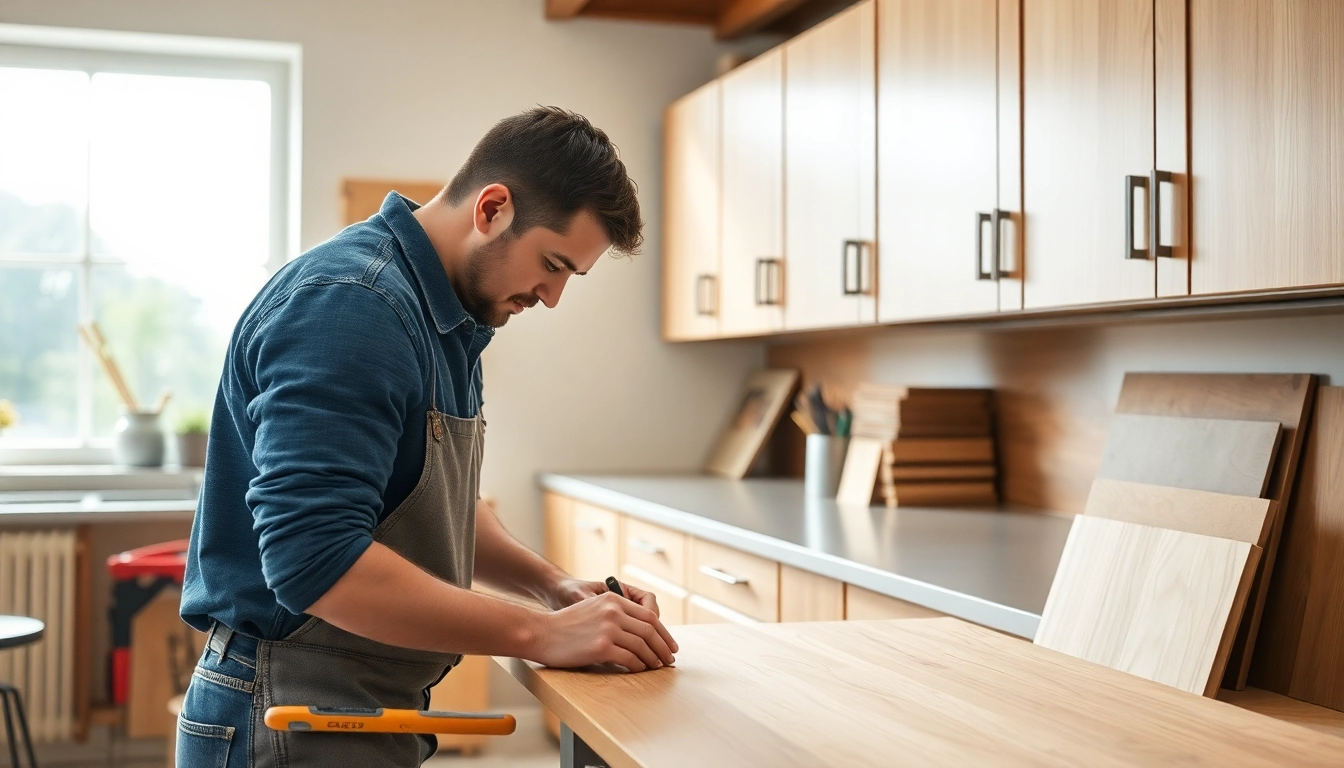
Introduction to Cabinet Refacing Largo FL
When it comes to enhancing the beauty and functionality of your kitchen, few options compare to Cabinet Refacing Largo FL. This process involves updating the exterior of your existing cabinets without the need for a complete replacement. It’s a transformative approach that not only revitalizes the aesthetic appeal of your home but also enhances functionality and sustainability.
What is Cabinet Refacing?
Cabinet refacing is a remodeling process where the outward appearance of existing cabinets is changed through various techniques, such as replacing cabinet doors, applying a new veneer to cabinet boxes, and updating hardware. Unlike a full cabinet replacement that can take days or even weeks, refacing offers a quicker, cost-effective solution to breathe new life into your kitchen or bathroom space. This method retains the original structure of your cabinetry while providing a fresh and modern look tailored to your taste.
Benefits of Cabinet Refacing
Choosing cabinet refacing comes with a host of benefits that appeal to homeowners looking for a practical upgrade:
- Cost-Effectiveness: Refacing typically costs less than fully replacing cabinets, making it a budget-friendly option.
- Environmentally Friendly: By reusing existing structures, you reduce waste and contribute to sustainable practices.
- Quick Turnaround: The installation process is usually completed in a matter of days, minimizing disruption to your daily routine.
- Customization Options: Homeowners can choose from an array of colors, styles, and finishes to match their vision.
- Increased Home Value: A refreshed kitchen can significantly enhance property value, appealing to potential buyers.
Who Should Consider Cabinet Refacing?
Cabinet refacing is ideal for homeowners who want to revitalize their kitchens or bathrooms without incurring the costs and chaos of a full renovation. It’s particularly suited for individuals who are satisfied with their current cabinet layout and functionality but seek a modern aesthetic. If your cabinets are structurally sound yet outdated in style or appearance, cabinet refacing may be the perfect solution.
Choosing the Right Materials
Types of Materials for Refacing
The choice of materials is critical in achieving a successful cabinet refacing project. The most common materials include:
- Wood Veneer: Offers a natural look and can be stained to match any decor.
- Laminate: A durable and cost-effective choice available in various colors and patterns.
- Plywood: Provides a sturdy base for both doors and veneers, ensuring longevity.
- High-Pressure Laminates: These are resistant to scratches and stains, making them a practical option.
Color and Style Options
The color and style of your cabinet refacing can dictate the overall ambiance of your space. Popular trends currently include:
- White and Light Shades: Create an airy, modern feel and reflect light.
- Bold Colors: Deep blues, charcoals, and greens offer dramatic accents.
- Natural Wood Finishes: Enhance a rustic or traditional aesthetic.
- Matte and Glossy Finishes: Glossy finishes are easier to clean, while matte options provide a sophisticated look.
Cost Considerations for Materials
Cost can significantly vary depending on the materials chosen for your refacing project. Wood veneers may cost more upfront but offer a timeless look. Laminate is often less expensive and still provides durability. It’s essential to budget not only for the materials but also for labor and any necessary repairs that may arise during refacing. On average, homeowners can expect to spend anywhere from $1,000 to $5,000, depending on materials and scope.
Steps in the Cabinet Refacing Process
Preparation: Planning Your Project
Effective planning is key to a successful cabinet refacing project. Consider the following steps:
- Assess Existing Cabinets: Determine what needs to be updated and what remains functional.
- Set a Budget: Outline how much you are willing to invest in your refacing project.
- Choose Materials and Colors: Finalize your design preferences based on your home’s aesthetics.
- Hire Professionals or Plan for DIY: Decide if you will seek professional help or undertake the project yourself.
Executing the Refacing Process
Once preparation is complete, the execution phase begins. This typically involves:
- Removing Cabinet Doors and Hardware: Carefully take off all doors and hardware to create a clean workspace.
- Applying Veneer or Laminate: Adhere the new materials to the cabinet boxes and doors as planned.
- Installing New Doors: Replace old doors with the new ones chosen during planning.
- Updating Hardware: Install new knobs and handles that match the new style.
Finishing Touches and Inspections
Completing your refacing project involves some final steps to ensure everything is perfect:
- Inspect the Fit: Ensure all cabinets align properly and shut securely.
- Final Touch-ups: Address any visible seams, edges, or mismatched colors with touch-up paint or filler.
- Clean Up: Remove debris and clean surfaces for a polished look.
Common Challenges and Solutions
Dealing with Existing Damage
It’s not uncommon to encounter damage while refacing cabinets, such as water stains or scratches. It’s crucial to assess these issues upfront. For minor damage, sanding and refinishing may suffice. More extensive repairs might require replacement of specific parts or thorough cleaning before applying new materials. Regular maintenance helps avoid such damage and prolongs the life of your cabinetry.
Measuring and Aligning Cabinet Doors
Proper measurement is essential to ensure your new cabinet doors fit seamlessly. Measure the width and height of the existing doors and ascertain that the new doors are aligned. Use leveling tools to ensure that all doors hang straight and close well. Misalignments can ruin the aesthetic appeal, so taking the time to measure accurately will pay off significantly.
Finding Professional Help
If the idea of DIY feels overwhelming, seeking professional help can alleviate stress. Look for local contractors who specialize in cabinet refacing. Read reviews, ask for references, and verify their experience. An expert can offer insights, suggest materials, and report on the best practices to enhance the overall quality of the project.
FAQs about Cabinet Refacing Largo FL
How long does the cabinet refacing process take?
The cabinet refacing process generally takes about 3-5 days, depending on the size and complexity of your kitchen or bathroom. This includes removal, refacing, and reinstalling hardware.
Can I DIY cabinet refacing?
Yes, DIY cabinet refacing is an option if you have the necessary skills and tools. However, it requires precise measurements and proper techniques to ensure a quality finish.
What are the costs involved in cabinet refacing?
Costs for cabinet refacing vary widely but typically range from $1,000 to $5,000, influenced by materials used, labor costs, and the extent of the project.
How does cabinet refacing compare to replacing cabinets?
Cabinet refacing is generally more cost-effective and quicker than complete cabinet replacement. While refacing updates the look, replacement offers a chance for structural changes.
What maintenance is required after refacing?
After refacing, simple maintenance includes regular cleaning with a soft cloth and mild detergent. Avoid harsh chemicals to prolong the finish of your new surfaces.