
Understanding Metal Fence Panels
What are Metal Fence Panels?
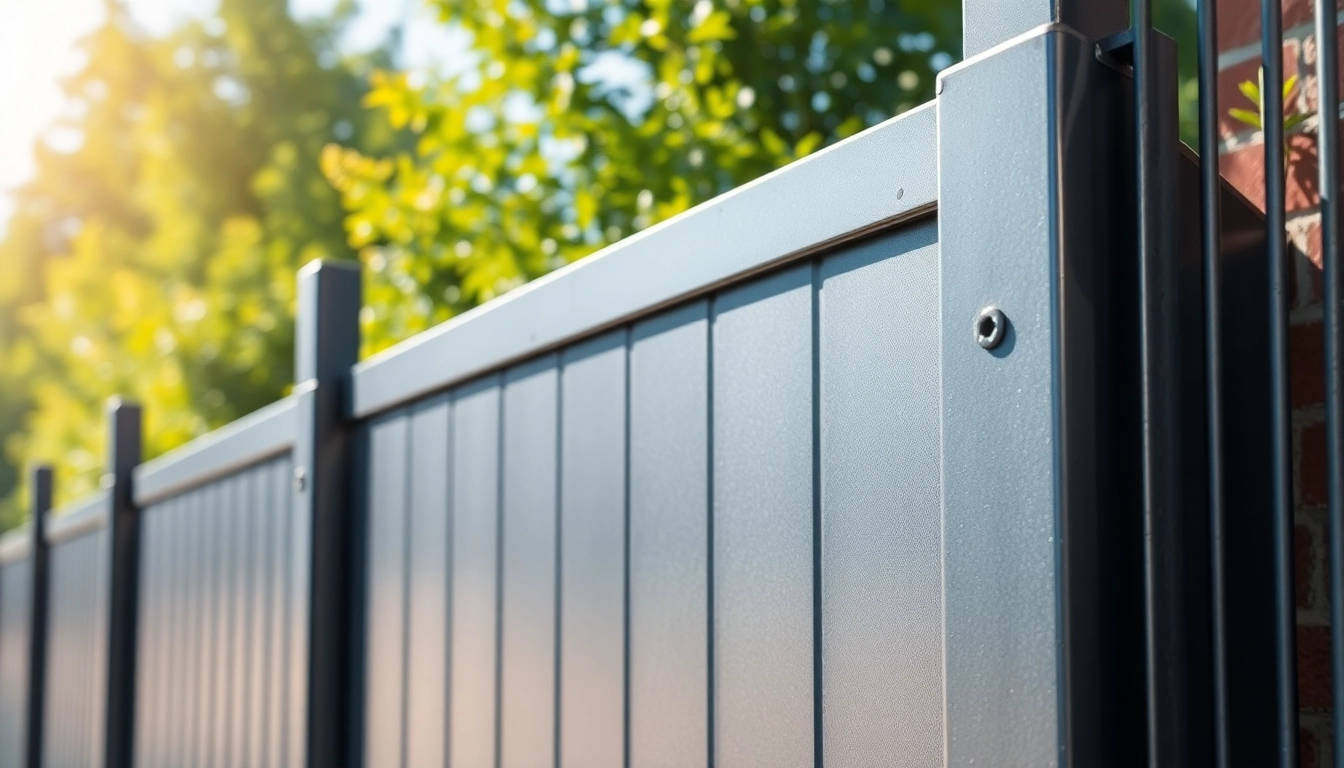
Metal fence panels are robust barriers created from various metal materials, often used for both residential and commercial properties. These panels act as a defensive shield, providing security, privacy, and aesthetic appeal. Comprising options like aluminum, steel, and wrought iron, metal fence panels are distinguished by their lightweight or heavy-duty nature, depending on the application. Their functionality and design versatility make them a popular choice among property owners looking to enhance their boundary demarcation.
Benefits of Using Metal Fence Panels
Choosing metal for fencing boasts numerous advantages. Firstly, metal fence panels offer exceptional durability. They are generally resistant to weather conditions, pests, and rot, allowing for long-lasting performance. Secondly, maintenance requirements are minimal compared to traditional wooden fences, often requiring just occasional cleaning. Moreover, metal fences can provide a high level of security due to their sturdy structure, which deters trespassers. Additionally, these fences come in various styles that can complement any architecture, making them a versatile option for any property owner. For more insight into options, visit www.metalfencepanels.co.uk.
Common Materials for Metal Fence Panels
Metal fence panels can be constructed from several materials, each with unique properties and benefits. Steel is one of the strongest choices available, providing maximum security suitable for industrial or commercial use. Aluminum, on the other hand, is lightweight, rust-resistant, and relatively low-maintenance, making it ideal for residential applications. Wrought iron provides a classic look with intricate designs but requires regular maintenance to prevent rusting. The choice of material will significantly impact not only the fence’s aesthetics but also its longevity and function.
Selecting the Right Style
Popular Designs of Metal Fence Panels
When choosing a metal fence panel, understanding the various design options is vital. Classic designs such as picket or chain-link fences provide basic boundary security and can be further customized with different finishes and colors. Modern designs like decorative panels and privacy screens are increasingly popular, allowing homeowners to maintain their privacy while enhancing visual appeal. Incorporating elements such as lattice tops or ornamental finishes can elevate the fence’s look, making it a true feature of the property.
Choosing Between Privacy and Decorative Fences
Your choice between privacy and decorative metal fences largely depends on your specific needs. Privacy fences are typically taller and denser, designed to shield your yard from prying eyes or neighboring properties. These can be essential for creating secluded outdoor spaces. On the other hand, a decorative fence focuses on aesthetics. While it might not offer as much seclusion, it can enhance the overall appeal of your landscape, providing a stylish border that can define your property without compromising visibility.
Matching Fence Style with Property Architecture
One often overlooked aspect of fence selection is how well it matches your property’s architecture. A modern home may benefit from sleek, minimalist metal fencing, while a classic or Victorian-style house might better suit ornamental wrought iron designs. Consider the overall design theme of your property when selecting a style, as this can enhance curb appeal and property value. Each design choice should harmonize with the surroundings and contribute positively to the overall aesthetic of the landscape.
Installation Process
Preparing for Installation
Before installing metal fence panels, thorough preparation is essential. Start by checking local zoning laws and property lines to avoid conflicts with neighbors. Determine the materials needed for installation and gather necessary tools, including a level, post-hole digger, concrete mix, and measuring tape. Establishing a clear installation plan helps streamline the process and waste little time or resources. Additionally, it may be wise to consult professionals if you have limited experience in installations, particularly for larger projects.
Steps to Install Metal Fence Panels
The installation process can generally be broken down into several key steps. Begin by marking the desired fence line with stakes and string. Then, using a post-hole digger, create holes for the fence posts. Once the holes are prepared, set the posts in concrete, ensuring they are level and adequately spaced for the metal panels. After allowing the concrete to cure, attach the panels to the posts using appropriate hardware. Finally, conduct a quality check to ensure the fence is securely in place and meets all aesthetic and functional needs.
Cost Considerations for Installation
Understanding the costs associated with installing metal fence panels is crucial for effective budgeting. Costs can vary widely depending on the type of metal, design complexity, and size of the installation. On average, including materials and labor, homeowners may expect to pay between £50 to £100 per linear foot. DIY installations may reduce costs significantly, though one must still consider the potential error costs and time involved. Ultimately, a clear budget and understanding of your specific needs can lead to a successful installation without unexpected financial strain.
Maintenance Tips
Cleaning and Care for Metal Fence Panels
Maintaining metal fence panels is relatively straightforward compared to traditional materials. Regular cleaning can help prevent dirt build-up or corrosion. A mixture of mild soap and water, applied with a soft brush, is usually sufficient for cleaning. Avoid abrasive cleaners or tools that could scratch the surface. For areas prone to collecting dirt or debris, consider rinsing the panels periodically with a hose to keep them looking pristine.
Preventing Rust and Corrosion
Rust and corrosion may be the most significant threats to the longevity of metal panels. To prevent this, ensure your fence is properly coated with a protective finish during manufacturing. Regular inspections for any signs of rust are essential, and if discovered, address them immediately with sandpaper or specialized rust-removal solutions. Applying rust-inhibiting paint can offer additional protection, particularly in high-moisture environments.
When to Replace Metal Panels
Even the most durable metal fences may need replacement at some point. Factors that indicate the need for replacement include unraveling panels, severe rusting, or sections being bent or broken. Regular inspections will help gauge the fence’s condition, allowing for proactive measures. If repairs become more frequent and costly than replacements, it’s likely time to consider investing in new panels.
FAQs about Metal Fence Panels
How long do metal fence panels last?
With proper installation and maintenance, metal fence panels can last over 20 years, offering long-term value.
Are metal fence panels more expensive?
While initial costs may be higher, metal’s durability often results in cost savings and less frequent replacements over time.
Can I install metal fence panels myself?
Yes, DIY installation is possible with the right tools and planning; however, professional help is advisable for larger projects.
Do metal fence panels require paint?
Most metal panels are coated for rust resistance and may not need painting; however, painting is an option for added personalization.
Are metal fence panels environmentally friendly?
Metal is recyclable, making it an eco-friendly option compared to traditional fencing materials like wood, contributing to sustainability.